Electric vehicles might be due for a comeback in the United States. Gas prices are higher, cheaper models are on the way, and there's a live political possibility that Democrats win next week's midterm elections, take back Congress, and pass legislation bringing back federal EV tax credits.
That would be good news for electric vehicle companies like Tesla Inc. (TSLA). There's just one awkward wrinkle: Tesla CEO Elon Musk is spending heavily to help the Republican Party this election.
The tax credit comeback attempt
Don't call it a comeback, but new legislation from Reps. Mike Levin (D-Calif.) and Sean Casten (D-Ill.) seeks to bring back federal EV tax credits of $7,500 for new vehicles, a credit that expired last year.
The legislation has the backing of at least 160 House Democrats and could gain further support if the Democratic Party wins back the majority, according to Politico.
The proposed Cheap Energy Act would bring back the tax credits that were part of the Inflation Reduction Act enacted in 2022. Along with the tax credit, the bill has proposals to modernize the electricity grid to help make sure consumers don't have to pay for data center upgrades, according to InsideEVs.
Not all Democrats are on board. Some see supporting the bill as a liability ahead of the election, while others think the credits appeal to the wrong people: wealthy coastal elites. One way around this would be to put income level caps on the credits and apply them to working and middle-class families, according to the report.
And passing anything still requires the signature of President Donald Trump, or a veto override that would need a two-thirds majority in the House and Senate, more than a potential Democratic majority would hold in either chamber.
For context on what's at stake: a record 1.3 million new EVs were sold in 2024 in the United States, the last full year the tax credit was available to new buyers. EV companies would likely welcome back the tax credits, which could bring their vehicle prices more in line with traditional automotives and help companies achieve profitability.
Ford Motor (F), General Motors (GM) and others have launched EVs and not been able to make them profitable, a situation made worse after the tax credit disappeared.
Why Tesla needs this less than everyone else
Tesla has been a leader in EVs in the United States and benefited from the tax credit for years. Nowadays, the tax credit could help Tesla less than its competitors. Tesla already makes profitable vehicles and has some of the lowest starting costs for EVs compared with traditional automotives.
Musk even supported the ending of the federal EV tax credit previously, saying it would help Tesla by having it gone more than it helps the company by having it.
That reasoning could help ease the mind of Tesla shareholders.
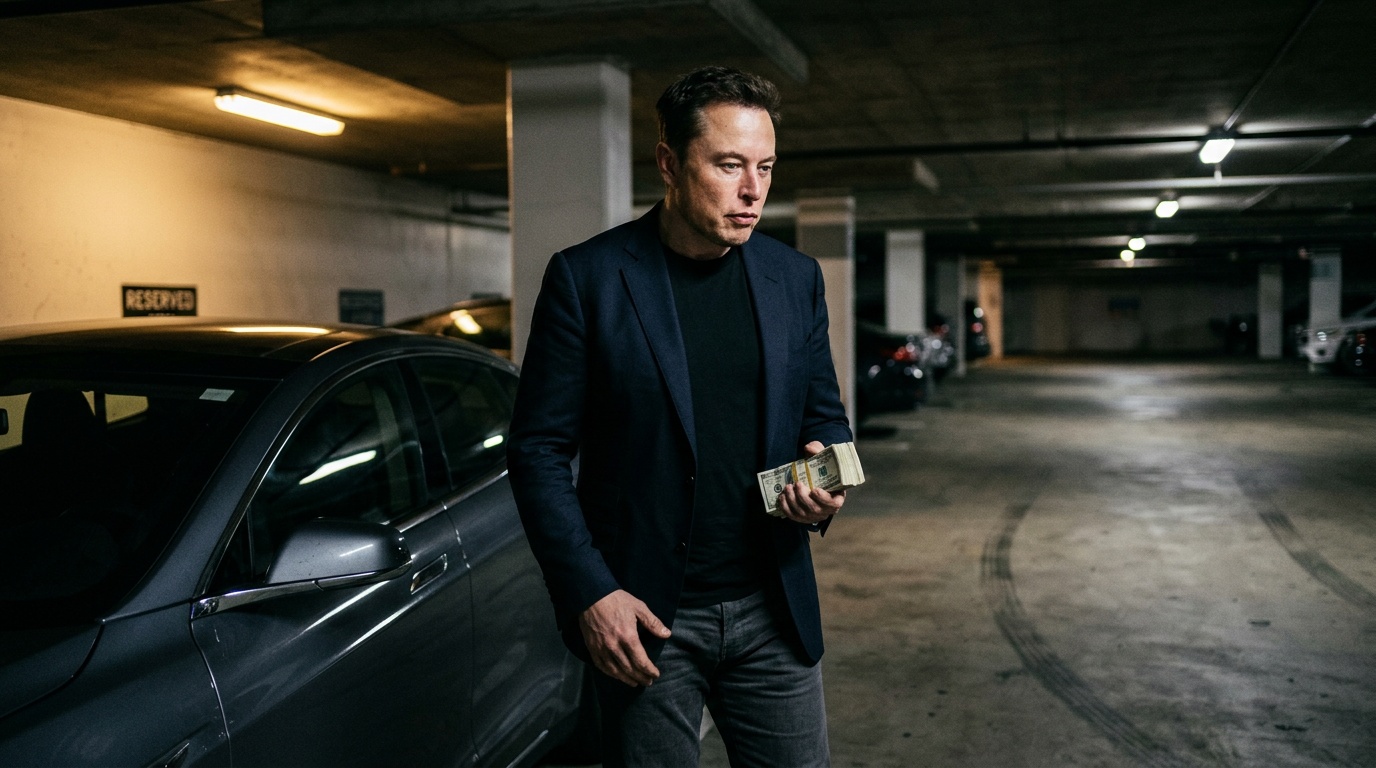
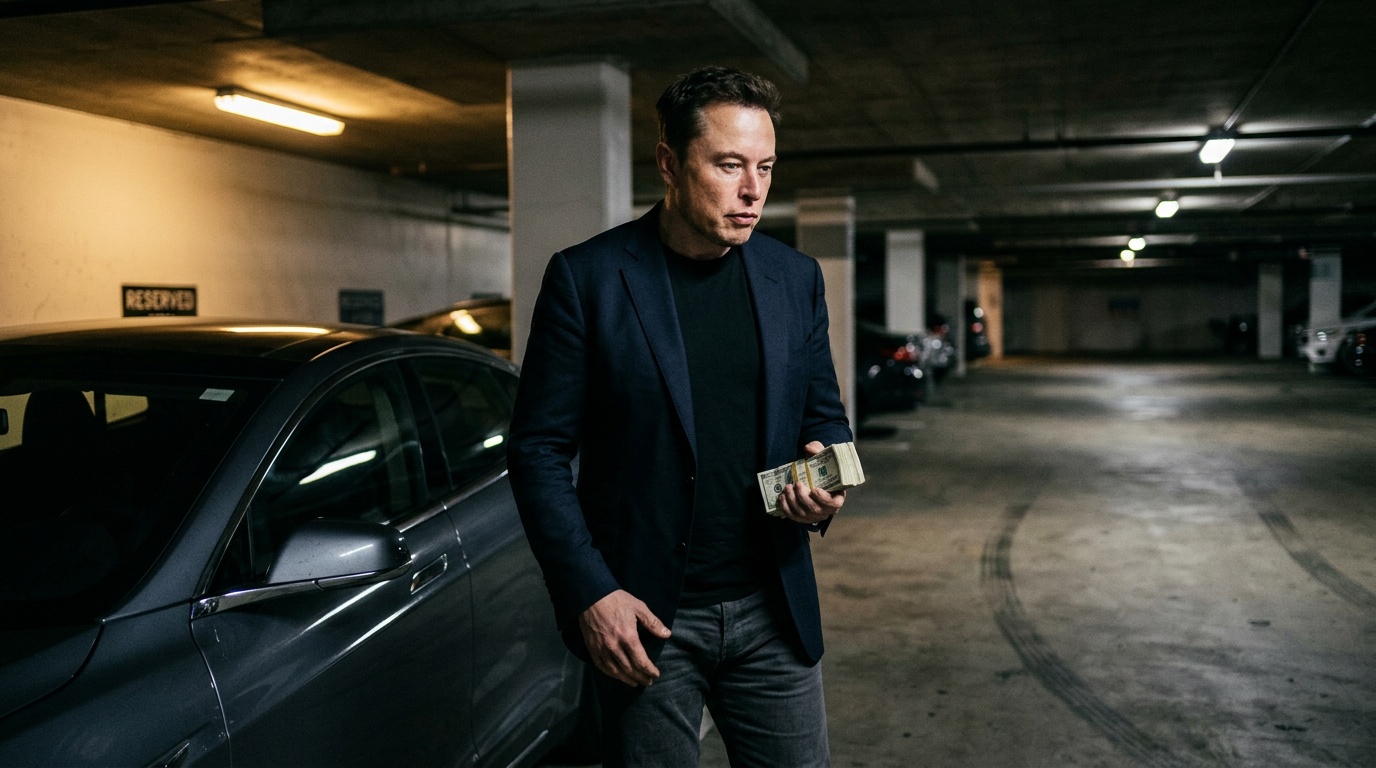
But here's the tension. While a Democratic majority in Congress could benefit the EV sector and Tesla, Musk is putting his money directly behind the opposite outcome.
Musk has donated $366 million to the Republican Party and GOP candidates for the midterms, according to media reports.
In 2024, Musk donated around $250 million to Trump and the Republican Party. He is now one of the largest donors in the 2024 and 2026 elections.
A Trump win helped boost Musk's presence in politics, got him a position in the Department of Government Efficiency and has helped him navigate potential regulation across several industries. Musk was also able to get a NASA director who loves his SpaceX (SPCX) company.
A Republican win in the midterms would likely end any talk of bringing the EV tax credit back, as there is not as much support among that party.
A true Tesla investor and fan likely would rather have the tax credit back to sell as many Tesla vehicles as possible.
Musk would rather take the hit on vehicle sales to make sure he keeps his personal political power.